Lantana camara var. alba

Lantana camara var. alba Lantana camara var. alba Lantana camara var. alba
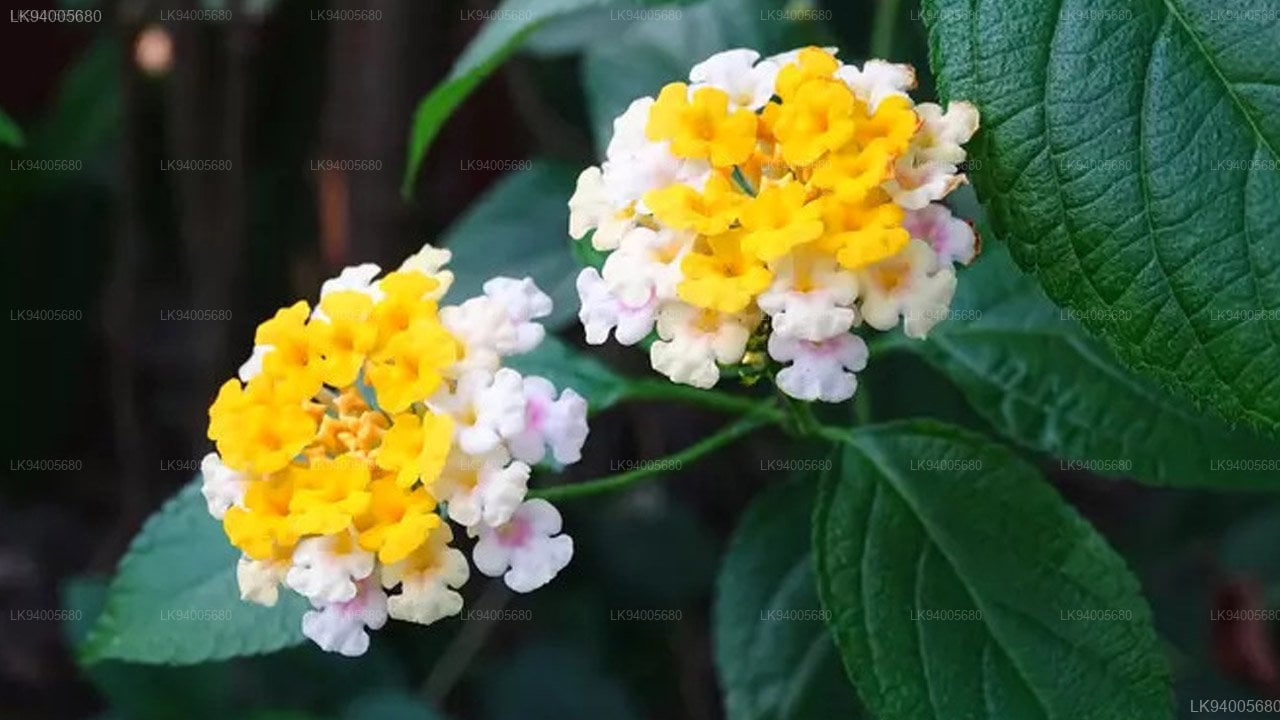
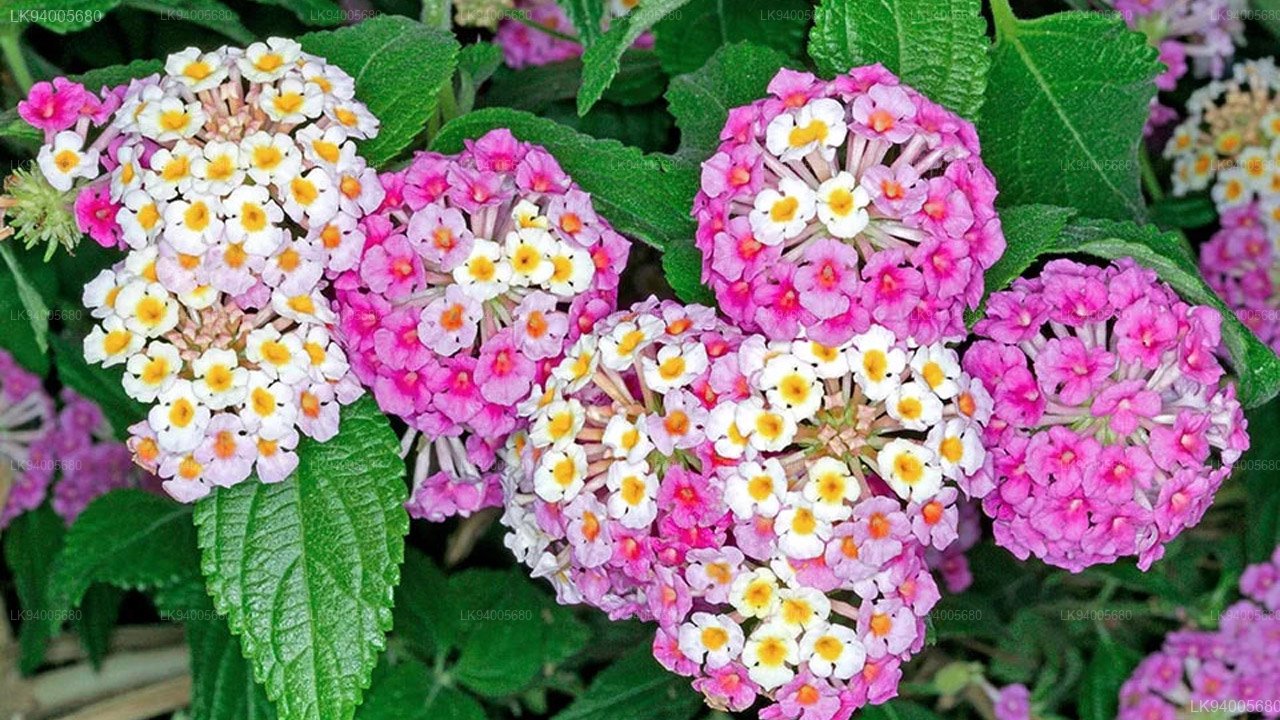
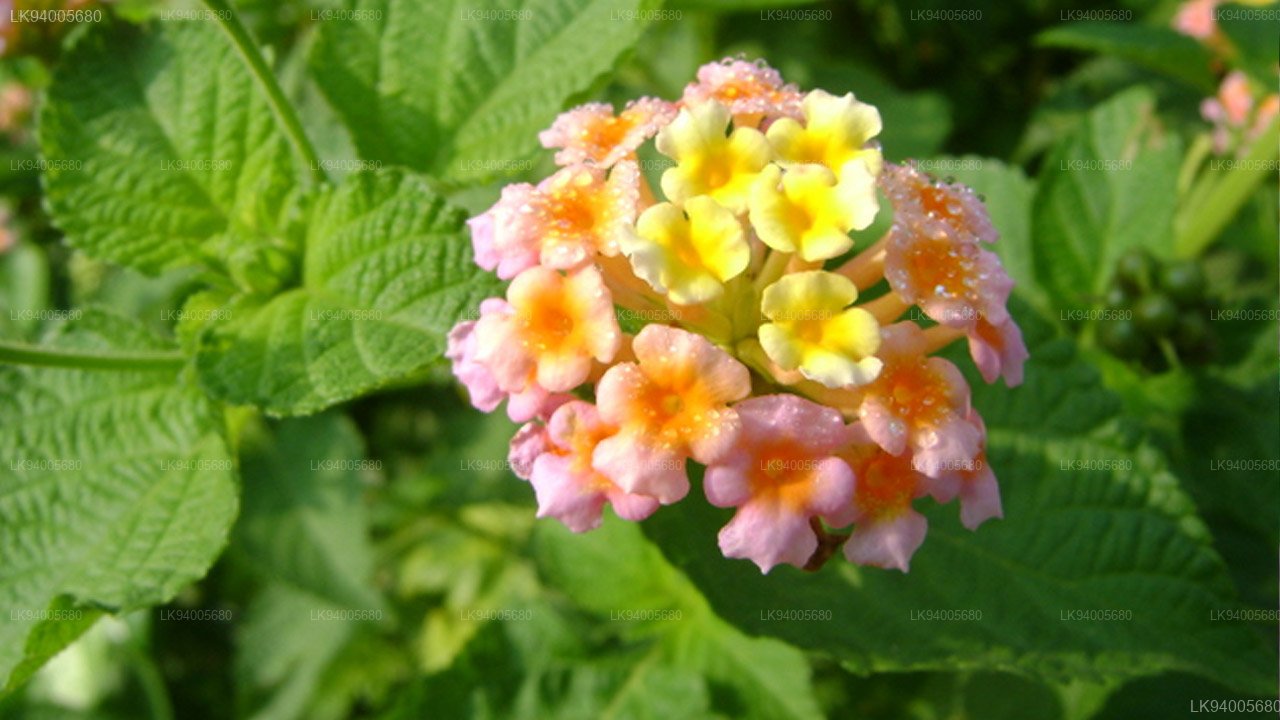
Lantana camara var. alba is a cultivar of the species Lantana camara, known for its distinctive white flowers. Lantanas are tropical and subtropical plants that are widely cultivated for their colorful blooms and ornamental value. The "var. alba" refers to the white-flowered variety of Lantana camara.

Description

  • Flowers: Lantana camara var. alba produces small, white flowers that typically form in dense clusters. The flowers can sometimes have a faint yellow or greenish hue in the center when they are young, but they eventually mature to pure white. The flowers are fragrant, attracting pollinators such as butterflies and bees.
  • Leaves: The leaves are dark green, rough-textured, and often have a slightly aromatic scent when crushed. They are ovate to lance-shaped with serrated edges.
  • Growth Habit: This variety of lantana grows as a shrub, typically reaching 1–2 meters (3–6 feet) in height. It is a fast-growing plant with a sprawling or mounding habit, making it ideal for ground cover or as part of a shrub border.
  • Habitat and Growing Conditions

  • Climate: Lantana camara var. alba thrives in warm, tropical, or subtropical climates. It can tolerate some drought and heat but is sensitive to frost, so it is typically grown as an annual in cooler climates or as a perennial in frost-free areas.
  • Soil: It prefers well-drained soil and can grow in a range of soil types, including sandy, loamy, or even somewhat alkaline soils. However, it performs best in fertile, slightly acidic to neutral soils.
  • Sunlight: Lantanas thrive in full sun and require at least 6 hours of direct sunlight each day to flower abundantly. They can tolerate some light shade but may not bloom as profusely.
  • Watering: Lantanas are drought-tolerant once established, but they do best with regular watering during dry periods, especially when young. It's important not to overwater, as this can lead to root rot.
  • Care and Maintenance

  • Pruning: Regular pruning is needed to maintain the plant’s shape and encourage new growth. Pruning also helps prevent the plant from becoming too leggy and encourages denser flowering. Cut back dead or damaged stems to promote a healthier, bushier plant.
  • Fertilization: While Lantana camara var. alba can grow in less fertile soil, it benefits from occasional feeding with a balanced fertilizer, particularly during the growing season, to encourage vibrant blooms.
  • Pests and Diseases: This plant can attract pests like aphids, whiteflies, and spider mites, but it is generally resistant to most pests and diseases. Keep an eye out for fungal diseases, especially in humid conditions.
  • Uses

  • Ornamental: Lantana camara var. alba is commonly used in gardens, landscapes, and as ground cover due to its vibrant, white flowers and bushy growth habit. It is also effective in hanging baskets or as a container plant. The contrast of white flowers against dark green leaves adds elegance to gardens.
  • Attracting Pollinators: The white flowers are highly attractive to pollinators like butterflies and bees, making it a good choice for pollinator gardens.
  • Varieties

  • 1 / 4