

Paralysis Hemiplegia

Ayurveda term: Pakshagatha
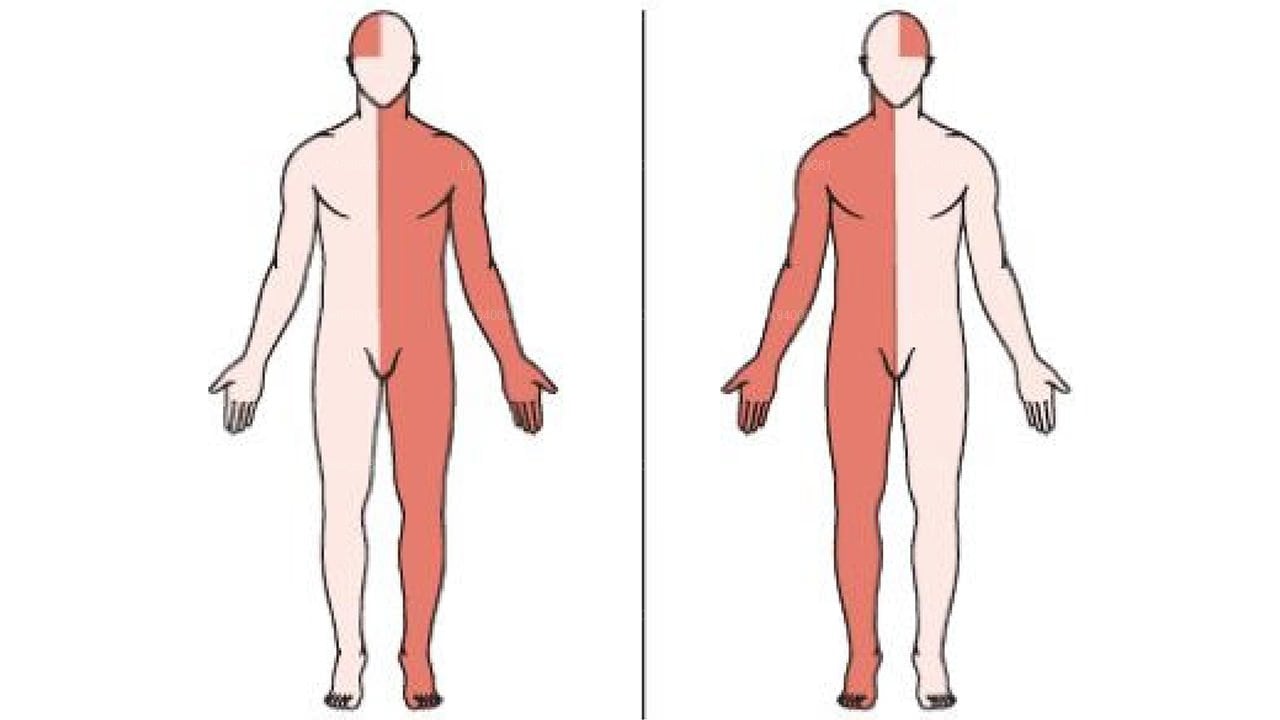
Type of illness : Complete or incomplete loss of functioning of nerves, to a part of the body or whole of the body is called paralysis. The part of the body that is affected looses its sensations and/or movements.
Causes of illness : Paralysis is the result of stroke (Cerebral-Vascular accident). According to the great Ayurveda books (Samhitha), Paralysis is the main disease described under the vatha diseases.
Paralysis occurs when vatha dosha aggravates in the brain. Strenuous exercise, continuous exposure to stress, sleeplessness or obstruction of channels present in brain leads to aggravation of the vatha dosha. Aggravated vatha dosha can dry up the nerves with adverse affects on the opposite side of the body.
According to western medical views contributory causes to paralysis include:- Ischemic cerebral lesion, which is due to obstruction of blood vessel present in the brain with fat particles, blood clot, air bubble or cholesterol plaques (atheros sclerosis).
- Hemorrhagic cerebral lesion is due to hypertension (high blood pressure) or aneurysm or due to trauma.
The centre affected by the lesion is responsible for the paralysis of the corresponding part in the body. The following risk factors are mentioned in western medicine as being possible predisposing factors to paralysis.
- Hypertension
- Diabetes mellitus
- Obesity
- Family history of cigarette smoking
- Hyperlipidaemia
- Using oral contraceptives
Specific symptoms:
- Loss of sensation
- Impairment of voluntary movements
- Impairment of speech
Ayurveda Treatment : Paralysis can be successfully treated with the combination of internal medicine and external treatments. Treatment usually varies with the patient's condition.
Internal Treatment :
- Herbal decoctions to be taken orally. In the beginning Thri Katakadi decoction is given. It contains 12 herbs and it purifies the obstructed channels in the brain. But if patient is having Kapha dosha, the prescribed decoction may change
- Seetharama: Little herbal pills called Seetharama are also given along with this decoction to prevent fever and to balance the dosha.
- Chandra Kalka: Orally taken medicinal herbal paste called Chandra Kalka is given with a special herbal tea for the purpose of reducing hypertension and to purify the obstructed blood vessels.
- Ma-Ul-Asel: Special preparation called ma-ul-asel (contains honey and water) given for preventing clot formation.
- Ekaveriya pills: If patient


