Kalutara Bridge : An Unspoken Heritage
Kalutara Bridge  Kalutara Bridge  Kalutara Bridge

Sri Lanka, also known as the Pearl of the Indian Ocean is adorned with the beautiful mother nature and claims a proud history going back as far as 500 BC. Colonialism plays a significant role in the country’s olden times.

It was under the influence of Portuguese, Dutch and the British in their respective eras. Several historic sites in Sri Lanka originated during these periods and still remains as evidence of these influences. The Kalutara Bridge is such significant landmark inherited as a result of the Colonial period.

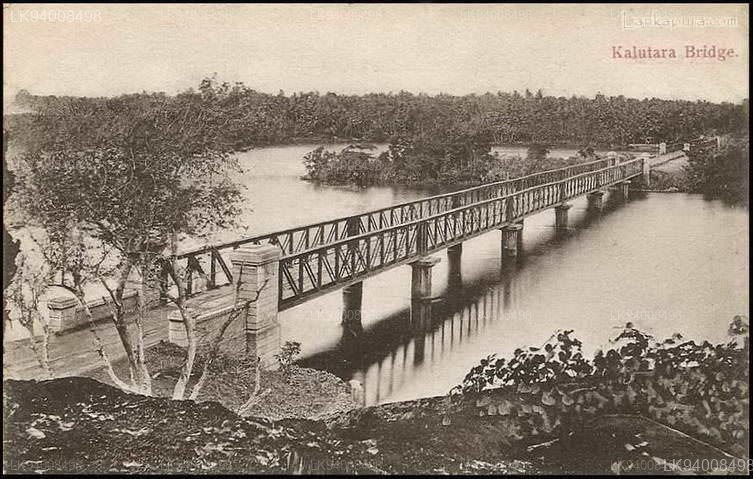
Kalutara bridge is the connecting line between the western and southern borders of the country. J. R. Mosse, Director of the PWD (Public works department) is the pioneer in designing and building the bridge and it was the largest bridge on the island built during the early 1900s. It was considered the first concrete bridge in Sri Lanka as well.

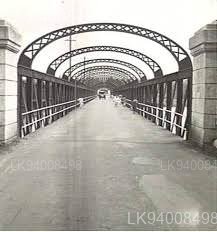
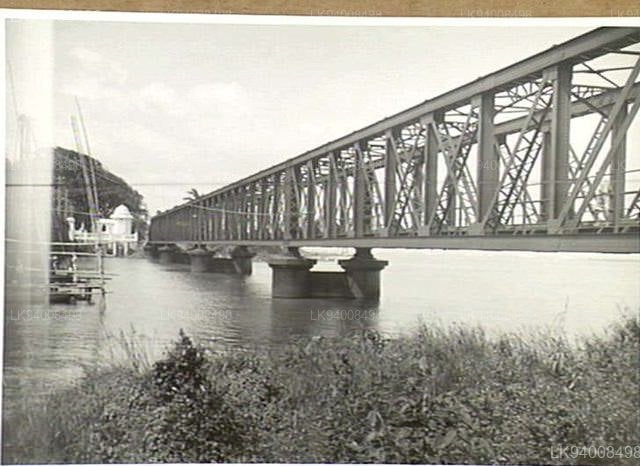
The old bridge comprised of two separate bridges, each with 6 spans of lattice girders where a single girder was an enormous 100ft long.

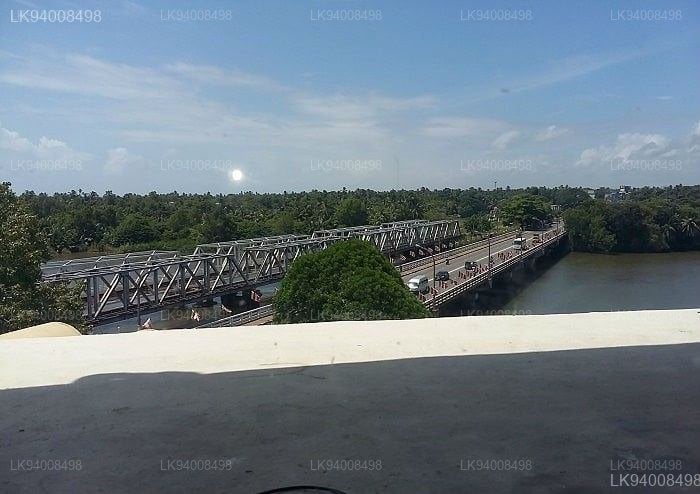
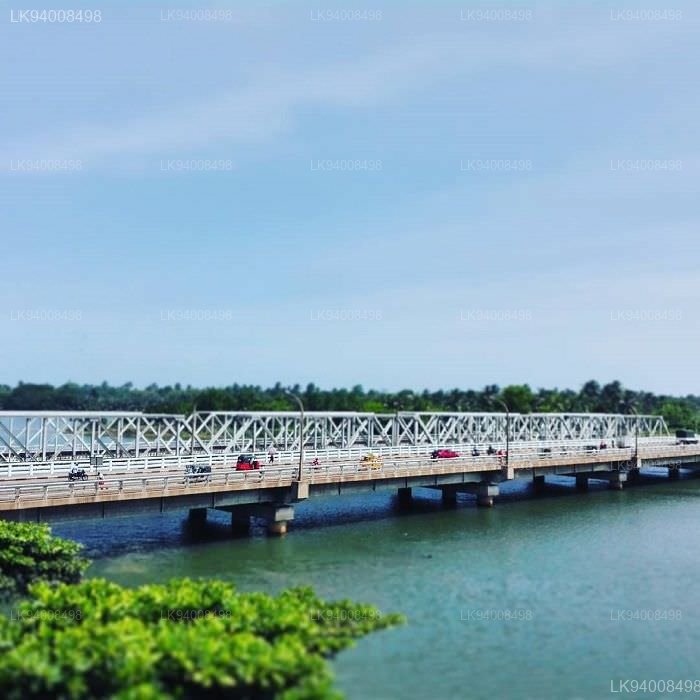
It is separated by a ridge in the middle of the river (Kalu Ganga) and it was opened for road traffic in August 1877 along with a single line of rails in the middle. It was 450ft in length. Currently, There are twin bridges for railway and one for the road traffic. And it is a perfect place to watch the sunset.
History

Being one of the largest bridges in Sri Lanka, the origins of the Kalutara Bridge date back to the early 1990s. Initially, the bridge had two separate bridges, each including 6 spans of lattice girders. Both the bridges were separated by a ridge which was in the middle of the ‘Kalu Ganga’. It was first opened for road traffic in 1877.

Significance

The bridge is a significant landmark in Kalutara due to its link between the southern border and western border of the country. When travelling from the western end of the bridge towards the southern end, you will witness the majestic view of the 3 stories-high Kalutara Viharaya. Any Buddhist will not forget to offer a small sacrifice when passing the temple.

Location

You will find plenty of attractions in the vicinity of the bridge. The Kalutara Bodhiya, Richmond Castle and Kalutara Viharaya are some such places. If you are staying at one of the many hotels in Kalutara close to the bridge, like Turyaa Kalutara, you can also visit many other attractions in the vicinity.

Did you know?

Locals say on very clear mornings one can see Sri Pada (Adam’s Peak) Mountain from the bridge. Which is, in turn, the starting point of Kalu River. That would make Kalu River the only river in Sri Lanka of which starting point and ending point can be seen at the same time.

Kalutara Bridge  

关于卡卢特勒区

卡卢特勒位于科伦坡以南约42公里处。卡卢特勒曾是香料贸易站,先后被葡萄牙、荷兰和英国控制。该镇以优质的竹篮和竹席以及最美味的山竹而闻名。

38 米长的卡卢特勒大桥建于卡卢恒河河口,是连接该国西部和南部边境的主要通道。大桥南端是三层楼高的卡卢特勒佛寺,这是一座建于 20 世纪 60 年代的佛教寺庙,也是世界上唯一一座空心佛塔。

关于西部省

西部省是斯里兰卡人口最稠密的省份。立法首都斯里贾亚瓦德纳普拉和国家行政和商业中心科伦坡都位于此处。西部省分为 3 个主要区:科伦坡区(642 平方公里)、加姆珀哈区(1,386.6 平方公里)和卡卢特勒区(1,606 平方公里)。作为斯里兰卡的经济中心,所有主要的本地和国际公司都在这里设有办事处,所有主要的设计师和商业街零售商也都在这里,所以准备好在西部省尽情享受购物的乐趣吧。

西部省是斯里兰卡人口最多的省份,几乎所有顶尖教育机构都位于西部省。该省的大学包括科伦坡大学、斯里贾亚瓦德纳普拉大学、凯拉尼亚大学、斯里兰卡开放大学、斯里兰卡佛教和巴利语大学、约翰·科特拉瓦拉将军国防大学和莫拉图沃大学。西部省拥有全国最多的学校,包括国立学校、省立学校、私立学校和国际学校。